
 Click here for watching video
The Breaking News: Escalating Middle East Tensions Impact Global Shipping & Vietnam Export Logistics situation is drawing global attention across international trade, shipping, and supply chain industries.
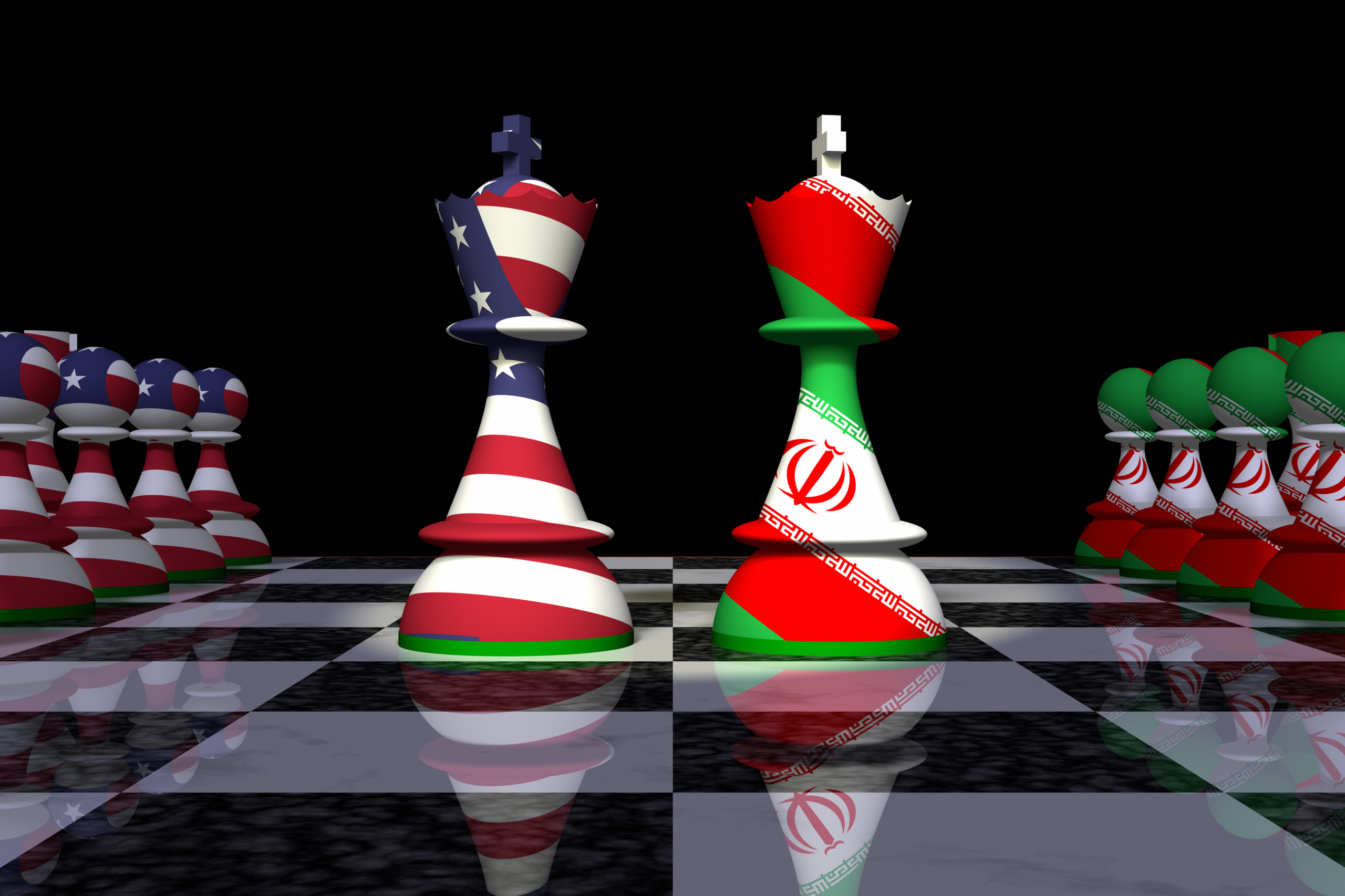
Recent geopolitical developments involving Iran, Israel, and the United States have raised concerns among global logistics operators and exporters. These developments are particularly significant because they involve critical maritime routes connecting Asia, Europe, and the Gulf region.
Two strategic maritime corridors are currently at the center of global concern:
-
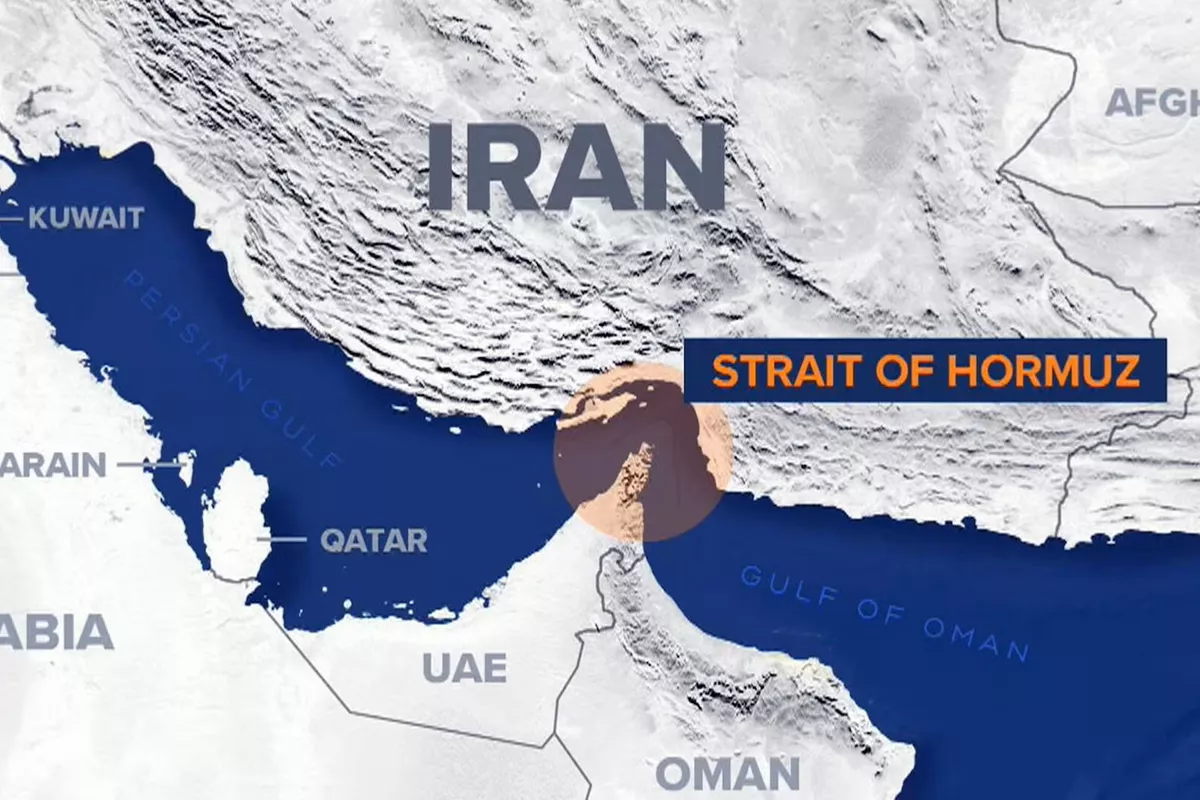
Strait of Hormuz
-
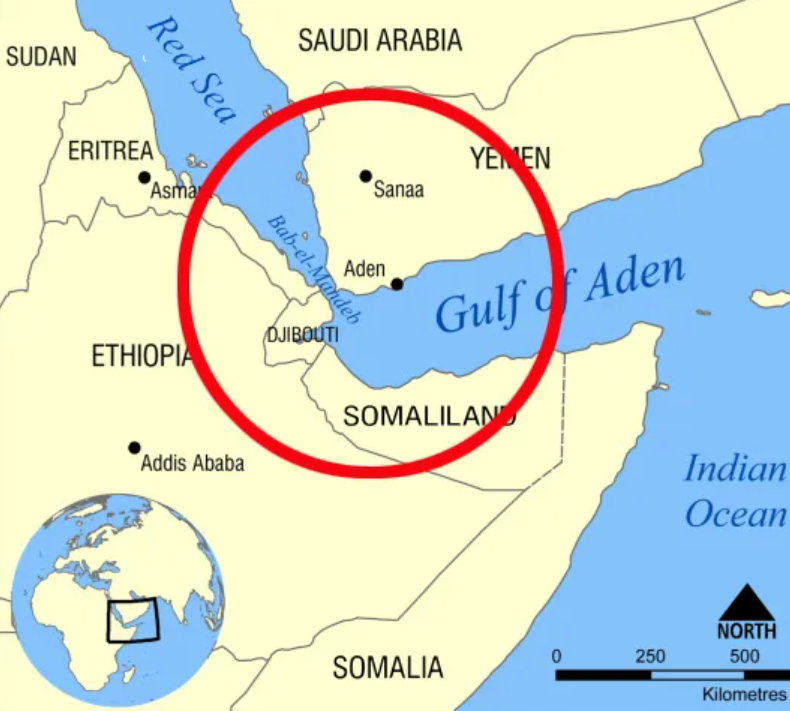
Red Sea
The Strait of Hormuz alone carries approximately 20–30% of the world’s crude oil supply, making it one of the most important shipping lanes for global energy and international logistics. Any disruption in this area could immediately influence global freight markets, oil prices, and international shipping routes.
If tensions continue to escalate in 2026, the impact could extend far beyond the region, affecting global shipping networks and Vietnam’s export logistics operations.
How Middle East Tensions Impact Global Shipping
The most immediate consequence of rising geopolitical tensions is the potential disruption of shipping routes that pass through the Strait of Hormuz and the Red Sea corridor.
These maritime routes are essential for vessels transporting goods between Asia, Europe, and nearby Gulf markets. Many container ships serving Vietnam’s export industries rely on these corridors to reach Europe and surrounding trade hubs.
If geopolitical risks intensify, shipping companies may take several precautionary actions:
-
Rerouting vessels to avoid high-risk maritime areas
-
Introducing War Risk Surcharge (WRS) on shipments
-
Increasing war-risk insurance premiums
-
Adjusting transit routes and sailing schedules
These adjustments may result in longer transit times and higher freight costs, particularly for shipments traveling between Asia and Europe.
For exporters in Vietnam, especially companies shipping bulk commodities and industrial products, these disruptions could affect delivery timelines and contract commitments.
Why Middle East Tensions Impact Global Shipping
Another major consequence of escalating geopolitical instability is the potential increase in global logistics costs.
Conflicts in strategic regions often create volatility in global oil prices, which directly impacts transportation costs across the entire supply chain.
Possible cost increases may include:
-
Higher container freight rates
-
Increased fuel surcharges from shipping carriers
-
Rising domestic trucking costs
-
Increased air freight rates
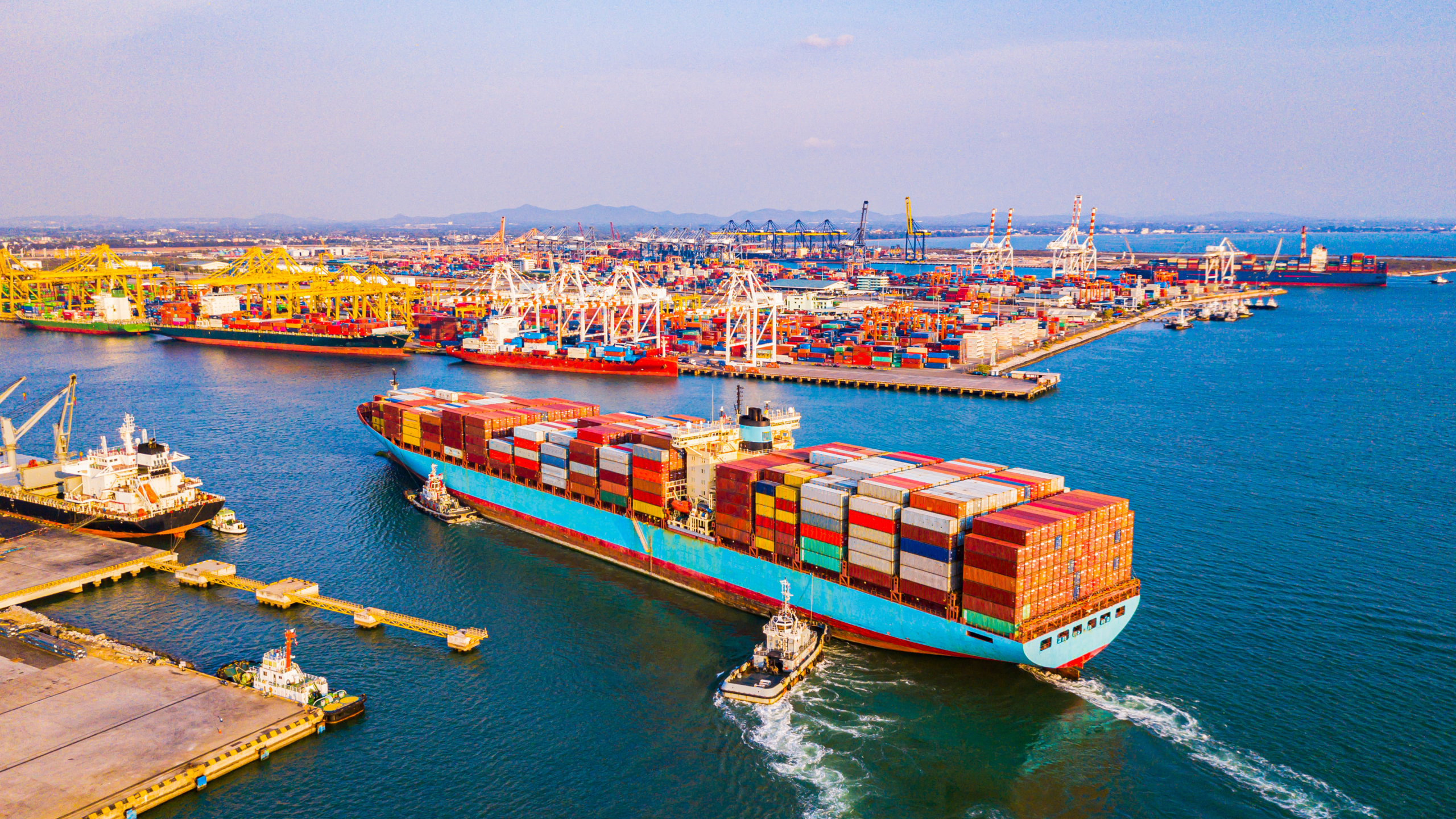
When fuel costs increase, logistics providers typically adjust their pricing structures to compensate for higher operational expenses. As a result, exporters may face higher shipping expenses and tighter profit margins.
For export-driven economies like Vietnam, where many industries depend on global shipping networks, logistics cost fluctuations can significantly impact international competitiveness.
How Middle East Tensions Impact Global Shipping and Trade Payments
Escalating geopolitical tensions often trigger shifts in global financial markets.
Historically, during periods of uncertainty, the U.S. dollar tends to strengthen as investors move capital toward safe-haven assets.
For Vietnamese exporters and manufacturers, this situation may create several financial challenges:
-
Importing raw materials priced in USD becomes more expensive
-
Companies with USD-denominated loans face higher repayment pressure
-
Production costs increase for export-oriented industries
Currency fluctuations therefore influence both import costs and export pricing strategies, making financial planning more complex for international businesses.
What Exporters Should Monitor as Middle East Tensions Impact Global Shipping
As the situation continues to evolve, exporters and logistics operators should closely monitor updates from shipping lines, freight forwarders, and maritime authorities.
Key factors to monitor include:
-
Changes to global shipping routes
-
War-risk insurance updates
-
Additional shipping surcharges
-
Vessel schedule adjustments
-
Oil price fluctuations affecting freight costs
Maintaining flexible shipment planning and strong communication with logistics partners will help exporters reduce supply chain disruptions and maintain stable operations.
Vinachaki’s Perspective on Global Shipping and Export Logistics
As a global charcoal exporter supplying international markets, Vinachaki continuously monitors developments in global shipping and geopolitical risks.
Our logistics and export teams work closely with freight partners to ensure stable delivery schedules and reliable supply chains for international customers.
Despite global uncertainties, proactive logistics planning, transparent communication, and flexible shipping strategies remain essential for navigating evolving global trade conditions.
📩 Contact for Quote
If you would like to learn more about BBQ charcoal, please click here.
If you want to receive samples or visit our factory in person, please don’t hesitate to contact us.
📞 WhatsApp/Hotline: (+84) 868 601 809
📧 Email: info@vinachaki.com
🌐 Website: vinachaki.com
📍 Address: 13 Street No.17 Lakeview City Residence, Binh Trung Ward, Ho Chi Minh City, Vietnam