Top 10 countries importing charcoal in 2025
▶ Learn more about our Vinachaki charcoal: Video
Currently, the global charcoal market is no longer a primitive industry relying on traditional methods. Instead, it has evolved into a complex commercial ecosystem. For instance, it intersects renewable energy, premium gastronomy, and industrial metallurgy.
In this comprehensive guide, we will break down the exact market dynamics, strict environmental regulations, and global purchasing power.
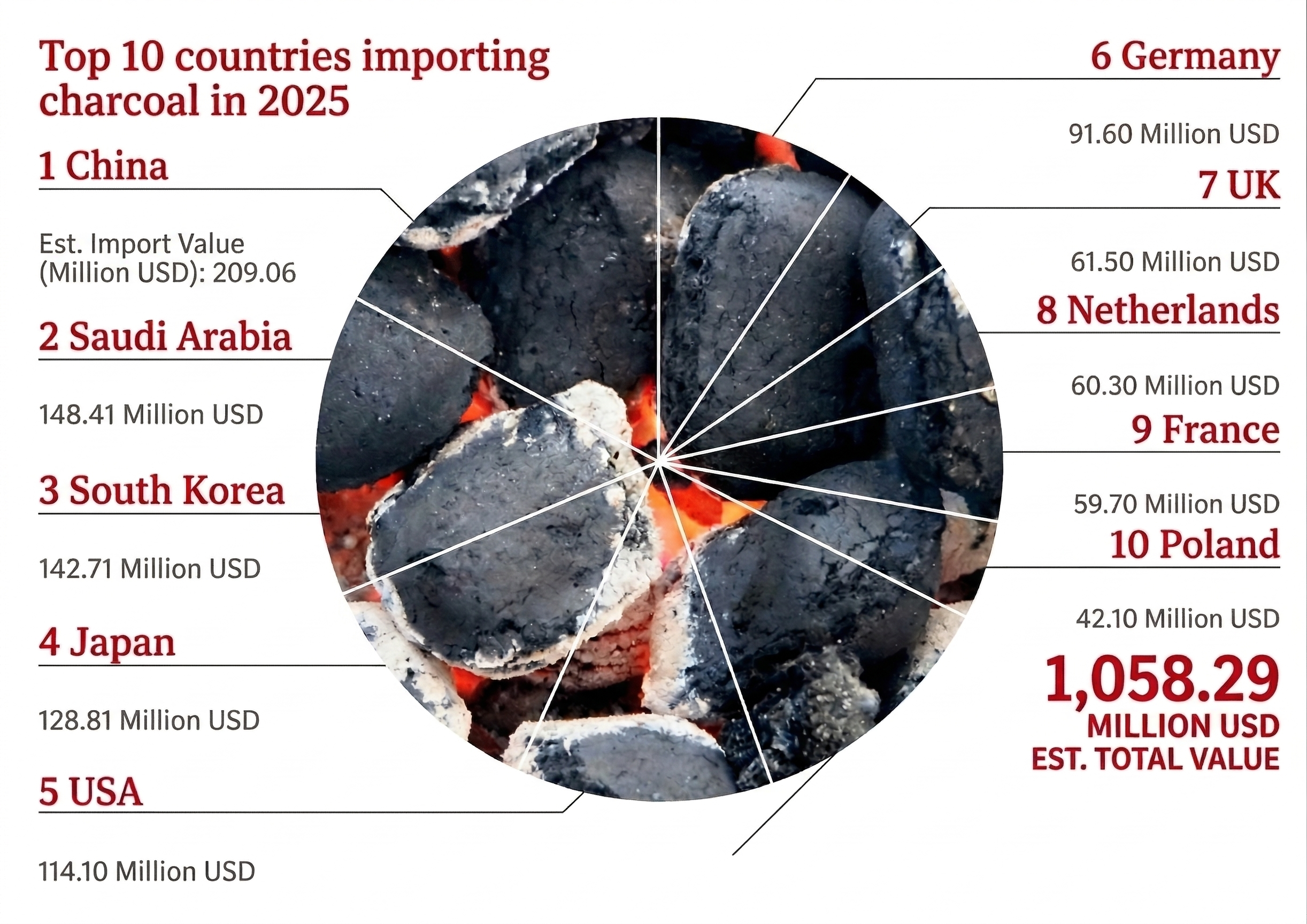
Source: Compiled from WITS data, TrendEconomy, and market analysis reports for 2024-2025
Table of Contents
- 1. The Charcoal Market Evolution
- 2. Ranked: Top 10 countries importing charcoal in 2025
- 3. Key Importers Driving the Demand
- 4. Major market drivers reshaping trade
- 5. Export ecosystems and Vinachaki
1. The Charcoal Market Evolution
By early 2025, the standard global charcoal market reached a staggering value. Market analysts project it will hit billions of dollars by 2030. However, looking at the broader industrial carbon market, the actual trading value soars to an estimated $34 billion.
Millions of transactions happen annually worldwide. Moreover, this massive gap highlights the extremely high added value of specialized carbon products
2. Ranked: Top 10 countries importing charcoal in 2025
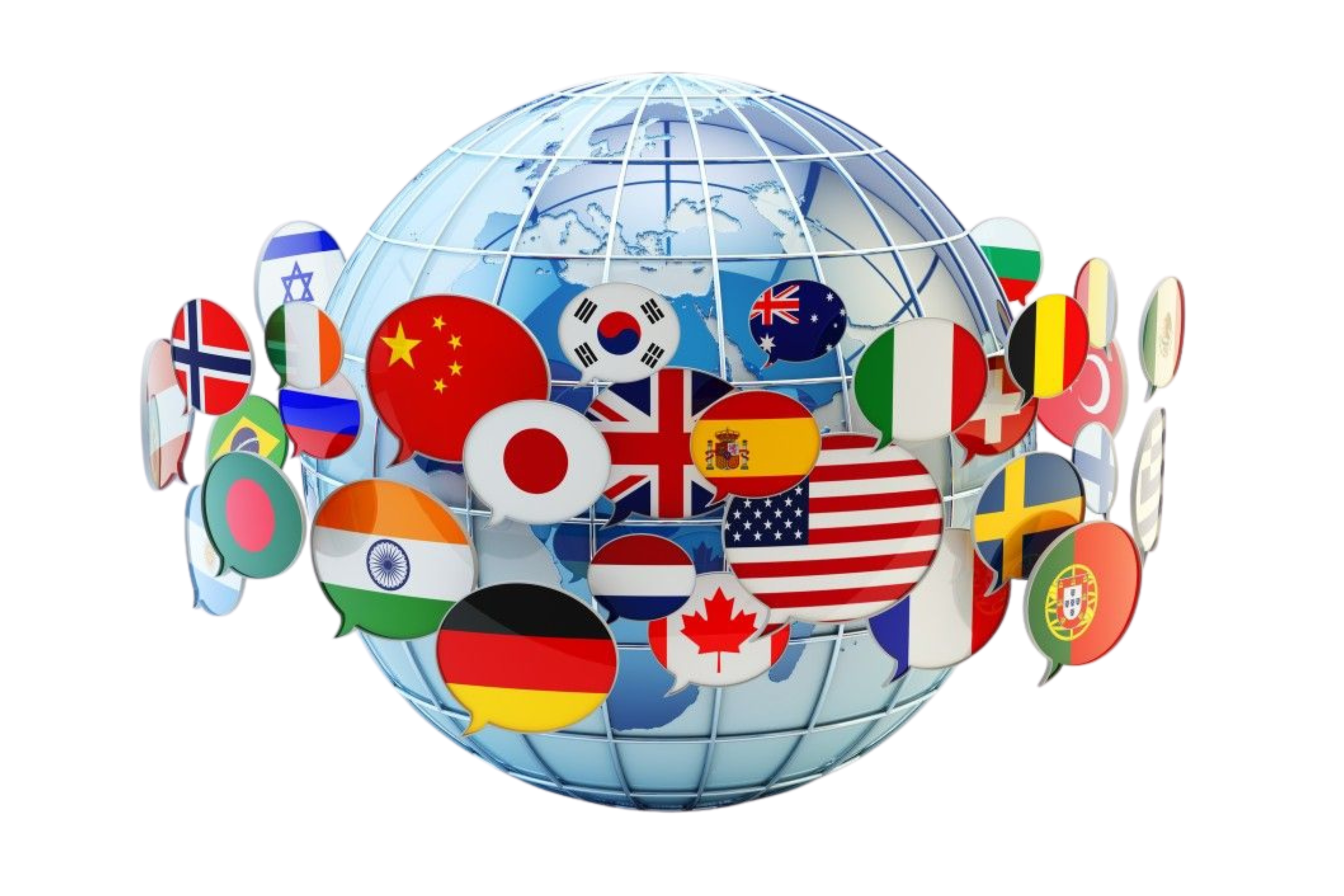
Based on Harmonized System code 4402 data – covering wood charcoal, coconut shell charcoal, and other nut shells purchasing power is heavily concentrated in East Asia, the Middle East, and North America.
Here is the definitive list of the top 10 countries importing charcoal in 2025:
| Rank | Country | Est. Import Value (Million USD) | Volume (1,000 Tons) | Primary Market Drivers |
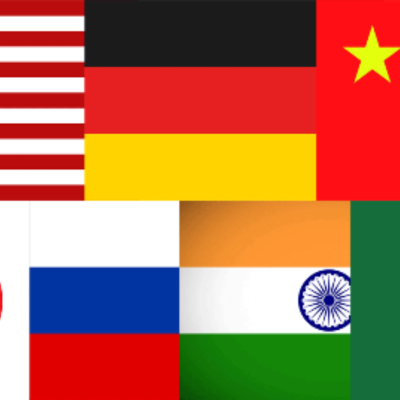
| 1 | China | 209.06 | 66.7 | Metallurgy, Chemicals, BBQ culture |
| 2 | Saudi Arabia | 148.41 | 77.9 | Traditional Cuisine (Mandi), Shisha |
| 3 | South Korea | 142.71 | 131.9 | Restaurant BBQ, Sustainable energy |
| 4 | Japan | 128.81 | 137.4 | Premium Binchotan, Strict standards |
| 5 | USA | 114.10 | 146.8 | Retail consumption, Outdoor grilling |
| 6 | Germany | 91.60 | 109.3 | European logistics hub, Leisure |
| 7 | UK | 61.50 | 100.8 | Hospitality sector, Retail |
| 8 | Netherlands | 60.30 | 79.8 | Re-exporting, Industrial processing |
| 9 | France | 59.70 | 75.2 | Gastronomy, Leisure activities |
| 10 | Poland | 42.10 | 95.9 | Deep processing, Domestic demand |
3. Key Importers Driving the Demand
To truly understand the global trade flow, we must look closer at the “Heavyweights.” The technical requirements vary drastically from nation to nation, shifting from raw energy to high-precision industrial carbon.
China: The Metallurgical Powerhouse and “Green” Transition
China easily secures the number one spot among the Top 10 countries importing charcoal in 2025 due to its massive industrial restructuring.
-
The Catalyst: Charcoal now acts as a vital bio-reductant in special steel smelting and ferroalloy production.
-
The Shift: As Beijing tightens carbon emission quotas, many factories are replacing fossil coal with high-fixed-carbon charcoal (over 75% carbon content) to achieve “Green Steel” certifications.
-
Demand: This creates a massive void for sustainable, high-density charcoal that suppliers like Vietnam are perfectly positioned to fill.
Japan and South Korea: The Gold Standard of Quality and Sustainability
These two nations represent the world’s most sophisticated and demanding segments. Their import criteria are not just about burning; they are about environmental safety and chemical purity.
-
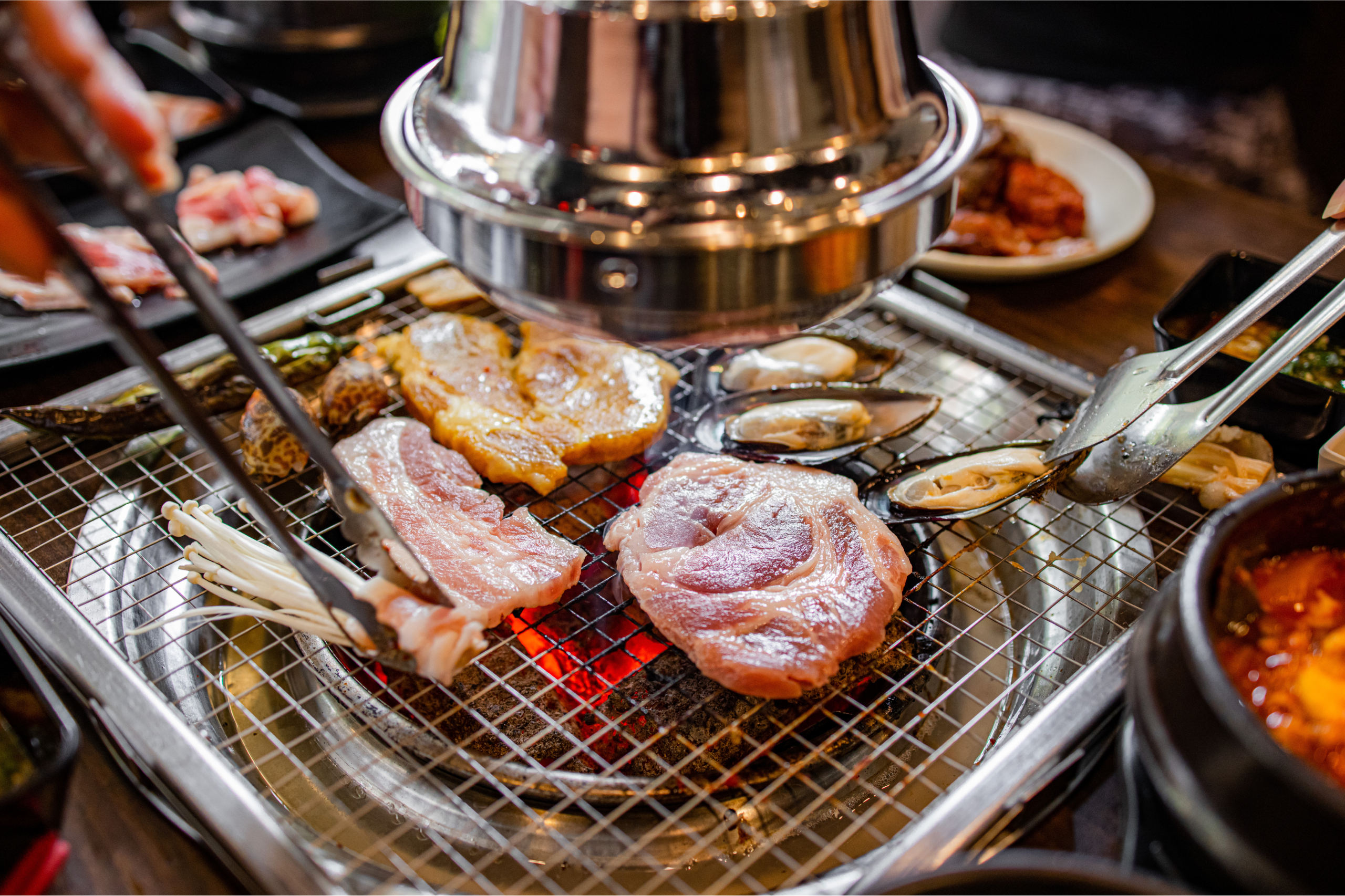
South Korea (The BBQ Specialist): The K-BBQ industry requires charcoal that is 100% chemical-free, low-ash (less than 3%), and produces zero sparks for indoor safety. They are increasingly moving toward sawdust briquettes—a specialty where Vinachaki excels.
-
Japan (The Binchotan Tradition): Japan remains the primary consumer of white charcoal. They demand a metallic ring upon impact, indicating a carbonization temperature of over 1000°C.
-
The Compliance Factor: Both countries now prioritize ESG transparency. They require full traceability to ensure no virgin forests were harmed in the production process.
4. Major market drivers reshaping trade
The landscape for the Top 10 countries importing charcoal in 2025 is undergoing a historic transition. This is no longer just about basic supply and demand; the market is currently driven by stringent legal frameworks and global supply chain vulnerabilities.
Here are the three fundamental drivers reshaping the industry today:
- The EUDR Compliance Barrier
By mid-2025, the European Union Deforestation Regulation (EUDR) fundamentally rewrites the rules of international trade. It is no longer enough to simply claim a product is sustainable; importers must scientifically prove it.
Every shipment entering the EU must provide precise geolocation data tracing the charcoal back to the exact plot of land where the wood was harvested. Non-compliance triggers massive financial penalties—up to 4% of a company’s annual EU turnover. Consequently, this strict technological barrier is actively wiping out undocumented, artisanal suppliers, shifting the advantage to highly organized, transparent manufacturers.
- Maritime Disruptions and Freight Inflation
Geopolitical conflicts in the Red Sea have forced global shipping lines to reroute around the Cape of Good Hope. For a high-volume commodity like charcoal, this logistical nightmare is devastating.
Transit times to Europe and North America have increased by 15 to 20 days, while ocean freight rates have spiked by 60% to 80%. As a result, major importers are abandoning unreliable suppliers. Instead, they are urgently seeking partners who can offer stable FOB (Free on Board) prices and highly optimized container loading techniques to maximize cost-efficiency per ton.
- The Biochar and Carbon Credit Revolution
Charcoal is no longer just a fuel; it has become a powerful climate solution. The explosive growth of biochar—produced via pyrolysis of agricultural waste—is creating a lucrative parallel market.
Multinational tech corporations are now purchasing biochar not for energy, but to secure Carbon Removal Credits. This dual-demand structure (charcoal for industry/food and biochar for carbon sequestration) is aggressively tightening global raw material supplies, pushing prices upward for the entire carbon ecosystem.
To verify these global trade shifts, you can explore global trade statistics at the World Integrated Trade Solution.
5. Export ecosystems and Vinachaki
Because of raw material scarcity and compliance costs, prices skyrocketed recently. Furthermore, they will likely continue to rise.
While demand is concentrated in industrialized nations, supply relies on countries with massive biomass reserves. Emerging hubs like Vietnam are rapidly gaining ground. Vietnam is now a vital supplier for the Top 10 countries importing charcoal in 2025 globally.
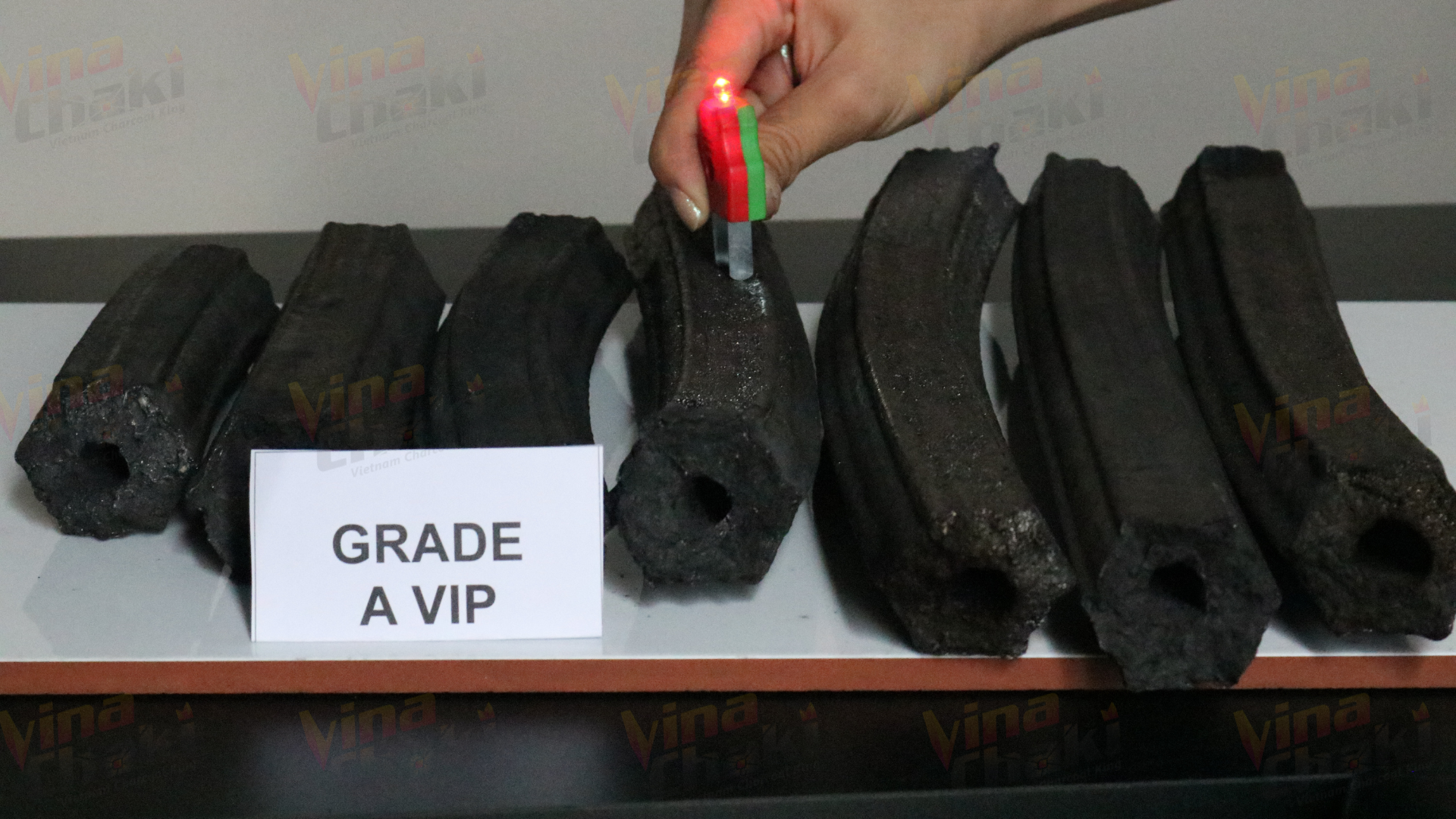
In Vietnam, dynamic enterprises like Vinachaki are stepping up to the plate. By optimizing the production of premium hardwood charcoal, Vinachaki successfully exports high-quality products. Their strict commitment to quality positions them perfectly within this global supply chain. In fact, Vinachaki easily meets the rigorous demands of top importers.
Conclusion
The staggering import volumes and projected multi-billion-dollar growth signal a permanent market shift. Charcoal is no longer just a cheap, basic combustible. It is rapidly transforming into a high-value, strategic green commodity essential for the future of global industries.
Moving forward, the dominance of the Top 10 countries importing charcoal in 2025 will dictate the survival of global suppliers. The future of this industry belongs exclusively to those who can master geolocation data, zero-deforestation certificates, and sustainable biomass production. If buyers do not secure compliant supply chains now, they risk massive disruptions and financial penalties.
This is exactly where Vinachaki stands apart. We do not just adapt to the future; we actively build it. By combining Vietnam’s rich biomass resources with rigorous, world-class manufacturing standards, Vinachaki provides a secure, premium, and 100% compliant supply chain. We are the bridge connecting global importers to sustainable, top-tier charcoal solutions.
Contact Vinachaki today to get a quote, request samples, or discuss how our premium charcoal can power your business success.
📩 Contact for Quote
Contact Vinachaki today to get a quote, request samples, or discuss how our premium charcoal can power your business success.
-
📞 WhatsApp/Hotline: (+84) 868 601 809
-
📧 Email: info@vinachaki.com
-
🌐 Website: vinachaki.com
-
📍 Address: 13 Street No.17 Lakeview City Residence, Binh Trung Ward, Ho Chi Minh City, Vietnam