Global Market Report: Top 10 Countries Where BBQ Restaurants Are Growing Fast
▶ Learn more about our Vinachaki charcoal: Video
The global barbecue restaurant market is undergoing a spectacular metamorphosis. We are actively watching a fundamental shift from highly localized, traditional smokehouses into a sophisticated, multi-billion-dollar global entertainment industry. Driven by rapid advancements in commercial kitchen technology, the aggressive global export of pop culture, and a post-pandemic hunger for communal dining, the sector is experiencing unprecedented acceleration. To truly understand this trajectory, we must look at the hardware powering it. The commercial grilling equipment industry—the mechanical backbone of these establishments—reached an estimated valuation of $4.06 billion in 2025. Current market intelligence projects this specific hardware sector to surge to $7.13 billion by 2035, accelerating at a robust Compound Annual Growth Rate (CAGR) of 5.79%.
This financial explosion is no longer confined to the historical barbecue strongholds of North America. The gravitational pull of the industry is decisively shifting toward the Eastern Hemisphere, where emerging economies act as the primary growth engines for the next decade. For franchise operators, international investors, and premium supply chain partners like Vinachaki, pinpointing the top 10 countries where bbq restaurants are growing fast is the ultimate prerequisite for global expansion and resource allocation.
Before allocating capital or expanding your charcoal supply chains, you need a map of the future. In this comprehensive report, we will meticulously dissect the top 10 countries where bbq restaurants are growing fast, analyzing the macroeconomic drivers, consumer psychology, and strict regulatory environments shaping this lucrative culinary landscape.

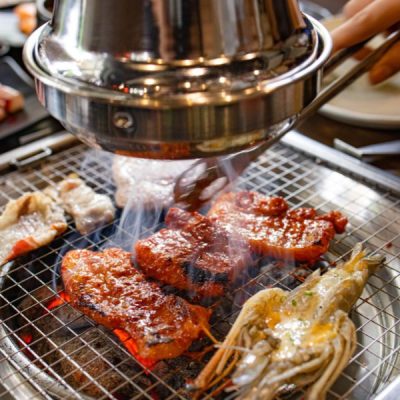
Experiential dining has transformed barbecue from a simple meal into a highly interactive social event driving global market expansion
The Age of Experiential Dining: The Core Catalyst
Before diving into specific geographies and listing the top 10 countries where bbq restaurants are growing fast, we must dissect modern consumer psychology. The contemporary diner craves “experiential dining.” Restaurants are no longer merely physical locations to consume calories; they are carefully curated social destinations. Barbecue fits this psychological need flawlessly. The meal becomes an interactive, sensory theater.
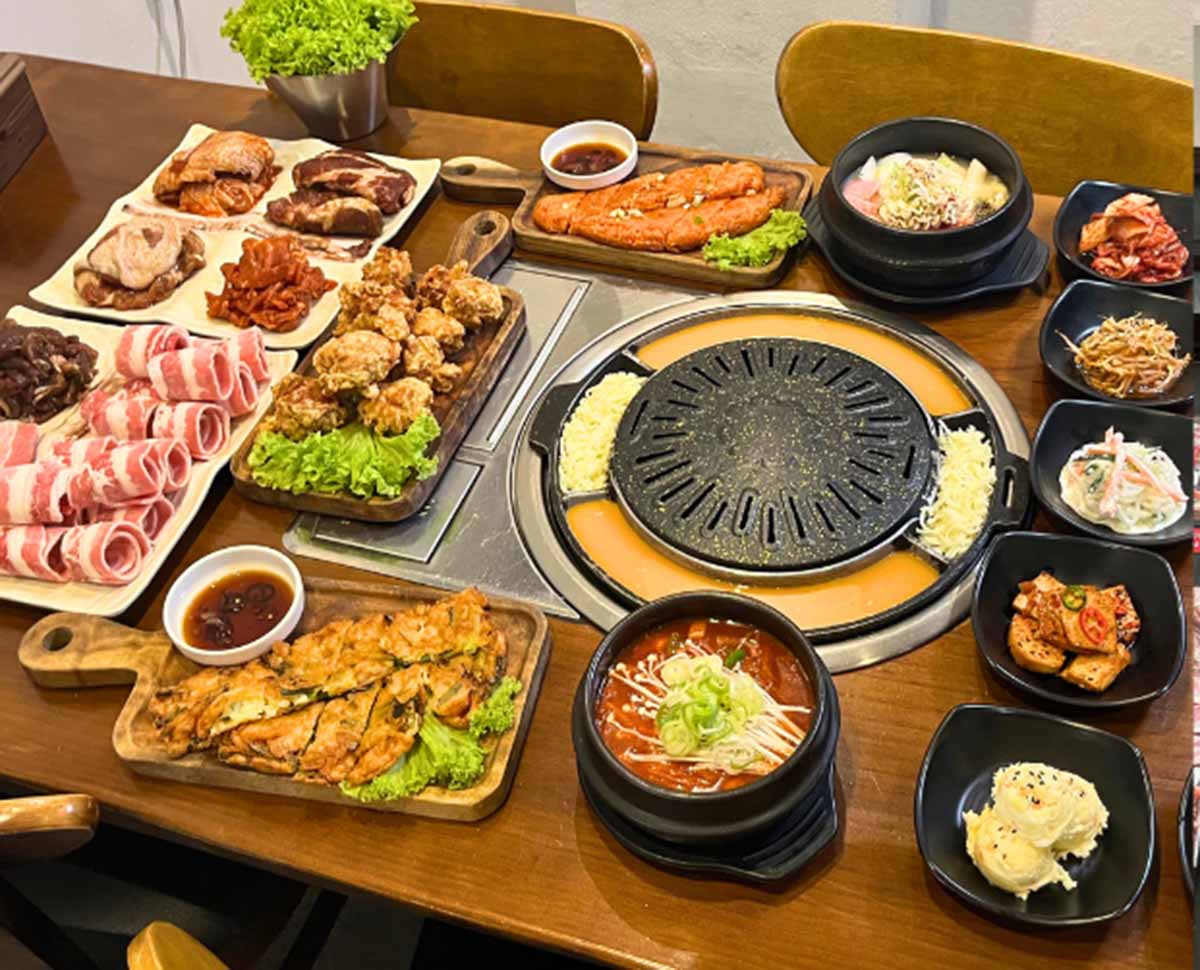
Concepts like tabletop Korean BBQ (K-BBQ) or integrated hotpot-and-grill buffets force diners to engage directly with the cooking process. The visceral sounds of sizzling meat, the visual appeal of caramelizing marinades, and the communal sharing of side dishes create an irreplaceable physical experience that third-party delivery apps simply cannot replicate. This dynamic interaction fuels the broader hospitality sector. The global full-service restaurant segment is projected to expand from $1.65 trillion in 2025 to a staggering $1.97 trillion in the coming years. Specialized barbecue chains represent a massive, disproportionate share of this new revenue, which perfectly explains the data behind the top 10 countries where bbq restaurants are growing fast.
The Definitive List: Top 10 Countries Where BBQ Restaurants Are Growing Fast
Identifying these specific growth hotspots requires a complex algorithmic approach. We analyzed revenue acceleration, the volume of new store openings, the aggressive penetration of international franchise brands, and the overarching macroeconomic trend of rapid urbanization. Based on these stringent metrics, here is our definitive breakdown of the top 10 countries where bbq restaurants are growing fast.
1. The Philippines: Southeast Asia’s Breakout Growth Engine
When evaluating the top 10 countries where bbq restaurants are growing fast, the Philippines dominates the current landscape of food service expansion. Current forecasts place the country’s foodservice CAGR at a blistering 14.27% for the 2026-2031 period. To put that into financial perspective, the national market size will skyrocket from $18.41 billion in 2025 to an estimated $40.98 billion by 2031.
Why is barbecue exploding here? The Filipino cultural DNA places immense value on large, multi-generational family gatherings and intense social connectivity. When you fuse this cultural trait with the country’s status as the “social media capital of the world,” the commercial results are highly lucrative. BBQ restaurants designed with “Instagrammable” aesthetics—featuring neon lighting, dramatic smoke presentations, and highly visual food plating—report customer foot traffic 25% to 30% higher than traditional, austere dining rooms.
Furthermore, the operational architecture is evolving. The “Cloud Kitchen” (ghost kitchen) model is expanding at a 24.85% CAGR. This allows ambitious BBQ brands to penetrate hyper-dense urban centers like Metro Manila while slashing initial capital expenditures by up to 50% compared to standard brick-and-mortar builds. The fierce market entry of both K-BBQ franchises and American-style smokehouses cements the Philippines firmly on the list of the top 10 countries where bbq restaurants are growing fast.
2. India: The Awakening of Tier 2 and Tier 3 Cities
India is currently the fastest-growing major economy on Earth, projecting real GDP growth of 6.2% through 2026. The Indian foodservice sector is executing a massive structural pivot, transitioning away from fragmented, independent street vendors toward highly organized, capitalized corporate chains. The full-service restaurant market anticipates a 10.97% CAGR through 2031, targeting a valuation of $70.82 billion. This rapid modernization easily secures India a spot among the top 10 countries where bbq restaurants are growing fast.
The pioneer of this movement is Barbeque Nation. Operating over 191 outlets, they effectively revolutionized the “over-the-table” grill buffet concept in South Asia. The current strategic playbook involves aggressive expansion into Tier 2 and Tier 3 cities. In these regions, a rapidly expanding middle class possesses high disposable income but faces a severe shortage of modern experiential dining options.
The secret to success in India relies heavily on psychological pricing. Brands utilize fixed-pricing buffet models to eliminate “bill shock,” a major anxiety point for the value-conscious Indian consumer. Additionally, massive technological integration allows these brands to leverage the online food delivery sector (growing at 13.67% CAGR), delivering high-quality BBQ experiences directly to the home.
3. Vietnam: The Transition from Street Culture to Modern Chains
Vietnam is executing a textbook economic transition, heavily supported by rapid urbanization and a distinct demographic dividend. The domestic foodservice market, valued at $24.1 billion in 2025, expects to hit $54.5 billion by 2034 (a solid 9.50% CAGR).
We are observing a distinct consumer migration. While independent sidewalk grill stalls historically dominated the landscape, their market share is bleeding out to professional, air-conditioned restaurant chains, making Vietnam a crucial focal point among the top 10 countries where bbq restaurants are growing fast.
Corporate titans like the Golden Gate Group (managing over 450 restaurants) and RedSun ITI possess near-monopolistic control over the sector via powerhouse brands like Gogi House and Sumo BBQ.
The underlying economic driver is the Vietnamese middle class, projected to reach 26 million individuals by 2026. Full-service restaurants command 45% of this market, with BBQ leading the charge. Gen Z and Gen Alpha dictate up to 70% of family dining decisions, and they overwhelmingly prefer the communal, highly social atmosphere of a modern grill.
Supporting this massive culinary evolution is a robust, high-quality supply chain. Among the key industry players is Vinachaki, a highly reputable and trusted premium charcoal manufacturer.
With over 10 years of proven expertise in the highly competitive export market, Vinachaki plays a foundational role in shaping modern BBQ culture. They provide the clean, smokeless fuel required for these high-end domestic chains, while successfully exporting their premium charcoal to over 20 countries globally.
4. Saudi Arabia: Vision 2030 and Gastronomic Diversification
Powered by the transformative “Vision 2030” initiative, the Kingdom of Saudi Arabia is aggressively reshaping its economy. The foodservice sector expects to jump from $30 billion in 2024 to $45 billion by 2032. The government’s mandate to attract 150 million tourists annually generates an insatiable demand for premium international culinary concepts, pushing the nation into the top 10 countries where bbq restaurants are growing fast.
American and Latin American cuisines—specifically Texas-style smoked brisket and Brazilian Churrascarias—forecast a 10.43% CAGR through 2030. The Kingdom has systematically dismantled historical legal barriers, now allowing 100% foreign ownership of restaurant franchises. This legal pivot turned Saudi Arabia into a gold rush for global BBQ brands. The relentless construction of mega-entertainment districts and luxury tourism zones demands ultra-premium BBQ establishments where ingredient provenance and flawless guest experiences are paramount.
5. China: Digital Supremacy and the Korean Wave
China remains the undisputed titan of the Asia-Pacific foodservice ecosystem, commanding 43.82% of total regional revenue in 2025. Remarkably, amidst broader economic headwinds, China’s restaurant sector successfully maintained positive physical foot traffic. A primary catalyst for this resilience is Korean BBQ, ensuring China’s position on the roster of the top 10 countries where bbq restaurants are growing fast.
Powered by the Hallyu (Korean cultural wave), South Korean conglomerates are pouring capital into Chinese expansion. Entities like the Genesis BBQ Group are executing master franchise strategies. However, operating in China requires absolute digital supremacy. Mobile ordering, WeChat integration, and automated digital payments boast near-100% adoption rates. Chinese BBQ establishments heavily leverage Artificial Intelligence (AI) for dynamic menu pricing and inventory optimization. Furthermore, to comply with draconian urban environmental laws in megacities like Shanghai, restaurants invest heavily in state-of-the-art commercial smoke filtration systems.
6. Brazil: The Churrasco Heritage and Tourism Resurgence
Brazil possesses a profound, globally exported barbecue heritage defined by the Churrasco. As the leader of the Latin American commercial BBQ equipment market (projected at $185.3 million by 2030), the broader Brazilian foodservice sector sits at a $17.33 billion valuation with a 7.15% CAGR. It is impossible to discuss the top 10 countries where bbq restaurants are growing fast without mentioning this South American powerhouse.
A massive spike in international tourism during early 2025 poured immediate revenue into high-end Churrascarias across São Paulo and Rio de Janeiro. However, domestic habits are shifting. The dominance of food delivery applications like iFood (boasting over 55 million active users) forces traditional steakhouses to adapt. Elite restaurants now retail premium, vacuum-sealed grilled meats and offer specialized home delivery kits. The modern Brazilian consumer exhibits a sharply rising demand for certified premium beef cuts and sustainably sourced charcoal fuels.
Projected CAGR 2025: Top 10 Countries Where BBQ Restaurants Are Growing Fast
Philippines
Indonesia
India
Vietnam
UAE (MENA)
Saudi Arabia
China
Data sources compiled from regional foodservice trajectory reports 2025
7. Indonesia: The Demographic Dividend and Halal Compliance
As the most populous Muslim-majority nation globally, Indonesia presents a highly specific, incredibly lucrative market segment. The restaurant industry is experiencing explosive growth facilitated by mobile technology and rapid logistics networks. When we review the top 10 countries where bbq restaurants are growing fast, Indonesia stands out due to its massive, hyper-connected youth demographic.
The Indonesian consumer utilizes mobile commerce aggressively; over 52% use non-traditional, app-based ordering formats, vastly exceeding the global average. When international BBQ chains enter Jakarta, strict adherence to Halal certification is non-negotiable. Success hinges on deep flavor localization, adapting standard menus to match local palates. The current market darling is the fusion concept—combining tabletop grilling with individual hotpots—catering heavily to young urban professionals.
8. Mexico: The Intersection of Tradition and Digital Influence
Mexico registers as the fastest-growing commercial BBQ equipment market in North America, projecting the highest regional CAGR through 2030. The surging popularity of modern barbecue concepts stems from a heavy cross-pollination with South American styles and the aggressive utilization of social media. This unique blend places Mexico solidly inside the top 10 countries where bbq restaurants are growing fast.
Urban establishments like Black Pig in Mexico City generate massive foot traffic via highly targeted digital marketing campaigns. Traditional family gatherings and national holidays like Cinco de Mayo increasingly feature professional-grade BBQ setups, driving demand for both restaurant reservations and commercial grilling hardware. Rising disposable income within the Mexican middle class transitions BBQ from a rare celebratory event into a standard, frequent dining choice.
9. United Arab Emirates (UAE): Luxury Dining and Culinary Fusion
Dubai serves as the undisputed crown jewel of the Middle East and North Africa (MENA) foodservice market, a region projected to reach $100.95 billion by 2025. Among the top 10 countries where bbq restaurants are growing fast, the UAE stands apart by focusing almost exclusively on the ultra-premium, luxury experiential segment.
Catering to a vast expatriate population and millions of high-net-worth tourists, Dubai acts as a laboratory for high-end culinary fusion. You will find seamless blends of rugged American smokehouse techniques applied to traditional Middle Eastern spices. These establishments invest immense capital into smart technology, theatrical interior design, and flawless service protocols. The continued rollout of massive entertainment districts guarantees premium real estate for international franchises.
10. Australia: Traditional Outdoor Culture Meets Gourmet Sustainability
Australia possesses a profound, historically rooted barbecue culture. The “barbie” is synonymous with national identity. The commercial equipment market is highly developed, dominated by elite brands like Weber and Ziegler & Brown. Even as a mature market, Australia secures its place in the top 10 countries where bbq restaurants are growing fast through premiumization.
In 2025, the Australian hospitality sector witnessed a powerful resurgence in physical foot traffic. The defining trend shaping the Australian landscape today is absolute sustainability. Consumers and restaurateurs alike demand eco-friendly, FSC-certified charcoal fuels and highly energy-efficient grilling hardware. Australian BBQ restaurants are pivoting aggressively toward the “Gourmet” segment, emphasizing absolute transparency regarding meat provenance, ethical farming, and artisanal, slow-smoke cooking techniques.
Deep-Dive Analysis: The Drivers and Roadblocks of the Global BBQ Industry
Geographic expansion provides the map, but we must deeply understand the engine driving the vehicle. The rapid acceleration seen in the top 10 countries where bbq restaurants are growing fast relies on a complex web of cultural exports, technological leaps, and shifting regulatory frameworks.
The K-BBQ Cultural Juggernaut
The meteoric rise of Korean BBQ represents the most significant global food phenomenon of the last decade. Valued at $6.2 billion in 2024, the global K-BBQ restaurant market anticipates doubling to $12.2 billion by 2033 (a 7.8% CAGR). This success operates on three distinct pillars:
- Cultural Soft Power: The relentless global export of K-Pop music and K-Dramas normalized Korean culture. Watching idols grill meat transformed K-BBQ into a symbol of modern lifestyle consumption.
- Strategic State Support: The South Korean government treats food export as a vital national security and economic strategy, providing massive financial backing for global culinary marketing campaigns.
- High Social Interactivity: K-BBQ breaks the traditional passive dining model. Forcing customers to cook their own food fosters intense social communication, fueling growth in the top 10 countries where bbq restaurants are growing fast.
The Commercial Kitchen Technology Revolution
Labor shortages and volatile ingredient costs currently plague the hospitality industry. Cutting-edge technology is the only viable defense mechanism for operators expanding into the top 10 countries where bbq restaurants are growing fast.
- Smart Grills: Commercial kitchens now deploy grills integrated with Wi-Fi, Bluetooth, and automated algorithmic temperature controls. Executive chefs monitor meat temperatures via smartphone applications, guaranteeing product consistency across massive franchise networks.
- Kitchen Display Systems (KDS): Modern grills communicate directly with cloud-based KDS networks, optimizing cooking times, reducing human error, and streamlining the flow of food from the fire to the table.
- Automated Smokers: The commercial food smoker market is abandoning manual wood-loading. Restaurants heavily invest in highly automated, energy-efficient programmable smokers that run 24/7, meet strict health codes, and require minimal human supervision.
Navigating Legal and Environmental Roadblocks
Growth is never entirely frictionless. Establishments operating in the top 10 countries where bbq restaurants are growing fast face mounting, complex regulatory pressure.
- The European Smoke Flavor Ban: The European Union enacted a legislative roadmap to ban specific chemical smoke flavorings effective July 2026. This forces sauce manufacturers and restaurants to scramble for natural alternatives or invest in physical wood-smoking infrastructure.
- Urban Emissions Control: Megacities worldwide are cracking down on PM2.5 particulate emissions. Traditional, dirty charcoal is being outlawed in urban centers. This drives massive demand for hyper-clean, zero-smoke bio-carbon fuels (such as those manufactured by Vinachaki) and expensive electrostatic precipitator (ESP) filtration systems.
- Commodity Volatility: Fluctuating global prices for steel and aluminum directly inflate the cost of manufacturing commercial grills, compressing profit margins for restaurant build-outs.
Vinachaki Global Export Operations
📞 WhatsApp/Hotline: (+84) 868 601 809
📧 Email: info@vinachaki.com
🌐 Website: vinachaki.com
📍 Address: 13 Street No.17 Lakeview City Residence, Binh Trung Ward, Ho Chi Minh City, Vietnam